

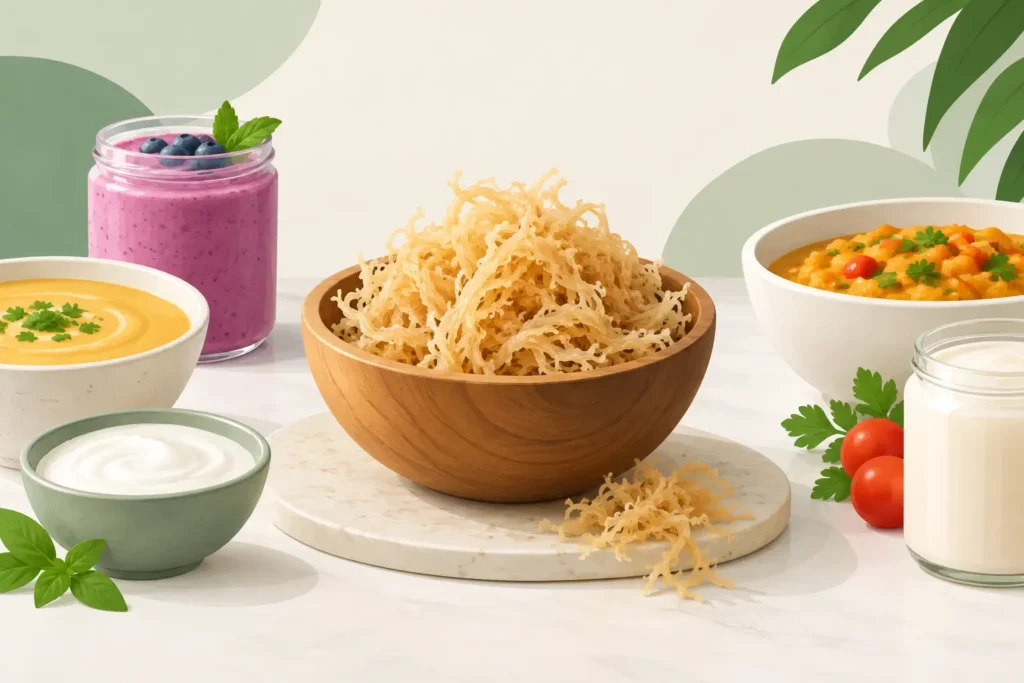
A spoonful of sea moss gel can change the feel of a morning smoothie without changing the flavor you love. As a sea moss natural thickener, this traditional marine botanical adds a soft, silky body to foods and homemade rituals, making it especially useful for anyone who wants simple, recognizable ingredients in their daily routine.
For generations, island communities have prepared sea moss in nourishing foods and drinks. Today, it offers a practical way to bring that tradition into a busy kitchen. The key is to think of sea moss less as a trendy add-in and more as a versatile base ingredient – one that can support texture in recipes where you might otherwise reach for a packaged thickener.
Why sea moss creates a naturally smooth texture
When dried sea moss is cleaned, soaked, and blended with fresh water, it becomes a mild, gel-like mixture. That gel disperses easily through liquids, giving recipes more body without a heavy taste. In a smoothie, the result may be a creamier sip. In a soup or sauce, it can create a more rounded, lightly thickened consistency.
Its neutral profile is part of what makes it so approachable. Sea moss does not need to compete with berries, cacao, citrus, herbs, or savory spices. Used thoughtfully, it supports the texture of the recipe while allowing the other ingredients to remain front and center.
The effect is gentle, not dramatic. Sea moss gel will not behave exactly like cornstarch, flour, gelatin, or a commercial gum. Those ingredients can produce a firmer set or a fast, obvious thickening effect. Sea moss is better suited to recipes that benefit from a soft, natural consistency and a little extra cohesion.
Preparing sea moss gel for recipes
A good gel begins with careful preparation. Rinse dried sea moss thoroughly to remove any natural salt or ocean debris. Soak it in clean water until it softens and expands, then drain it and blend with fresh spring water until smooth. The amount of water determines the final consistency: less water makes a thicker gel, while more water creates a looser blend for easy mixing.
Store prepared gel in a clean, sealed container in the refrigerator and use it while fresh. Because homemade gel has no preservatives, make only what you expect to enjoy within a reasonable period and pay attention to its appearance and aroma. When in doubt, prepare a new batch.
Starting with responsibly harvested, quality-tested sea moss matters just as much as the recipe itself. Sea moss is a product of its waters and handling. Ahai Life sources wildcrafted sea moss through trusted local partners in St. Lucia, with respect for the island traditions that have long valued this marine botanical.
Start with a small amount
For most everyday recipes, begin with one to two tablespoons of prepared gel per serving or small batch. Blend, stir, or whisk it in, then decide whether the texture needs more. This gradual approach is useful because fruit ripeness, liquid amount, temperature, and other ingredients all affect thickness.
If a smoothie becomes too dense, add a splash of water, coconut water, or milk of your choice. If a soup needs more body, blend in another spoonful and give it a few minutes to settle. Cooking is personal, and sea moss works best when you make room for your own preferences.
Everyday ways to use sea moss natural thickener
Smoothies are often the easiest place to begin. Blend sea moss gel with frozen mango, pineapple, banana, ginger, and coconut water for a bright, island-inspired drink with a naturally creamy finish. For a more familiar breakfast option, add it to a berry smoothie with oats and your preferred milk.
Sea moss also fits beautifully into blended soups. Try a spoonful in butternut squash, tomato, carrot-ginger, or cauliflower soup after the vegetables are tender. Blend until velvety, then adjust seasoning as usual. It can give the soup a satisfying texture without relying on dairy, though it can be used alongside dairy or plant-based cream if that is how you enjoy the recipe.
In sauces and dressings, moderation makes all the difference. A small amount of gel can bring a little body to a lemon-herb dressing, a green sauce, or a creamy cashew-based dip. Because sea moss has a delicate ocean-derived character before it is rinsed and prepared, pair it with fresh, flavorful ingredients and taste as you go.
It can also be a welcome addition to chilled desserts. Blend it into fruit chia puddings, coconut-based treats, or homemade popsicles for a smoother texture. In these recipes, sea moss supports creaminess rather than creating a firm, gelatin-style set. That distinction helps set realistic expectations and leads to better results.
Beyond the kitchen: simple personal-care rituals
Sea moss gel is not limited to food. Some people enjoy incorporating it into simple, rinse-off personal-care rituals, such as a fresh face or hair mask. Its gel-like texture makes it easy to apply and combine with familiar ingredients like aloe vera or honey, depending on individual preferences.
Keep these blends simple and prepare them fresh. Patch test any new topical mixture on a small area of skin first, especially if you have sensitive skin or known allergies. Avoid applying homemade preparations to broken or irritated skin, and do not treat a kitchen ingredient as a replacement for professional skin care guidance.
What sea moss works best with
Sea moss has a natural affinity for recipes that are already blended, whisked, or creamy. Think smoothies, soups, sauces, dressings, puddings, and frozen treats. It is less useful when a recipe needs a crisp finish, a precise baked-goods structure, or the firm sliceability of gelatin.
Heat can also change the experience. Sea moss gel may be stirred into warm foods, but adding it after cooking or near the end of preparation often preserves the cleanest texture. For dishes that simmer for a long time, use a small amount first rather than assuming more will produce a better result.
Flavor is another consideration. Thoroughly rinsed and properly prepared sea moss should blend quietly into most recipes, but every batch is a little different. Citrus, tropical fruit, warming spices, cocoa, leafy greens, roasted vegetables, and herbs are all reliable partners. A recipe with few ingredients may reveal the sea moss more clearly, so use a lighter hand in delicate drinks and sauces.
A tradition worth using with care
Sea moss is often talked about in big, sweeping terms. A more grounded approach is to appreciate it for what it can realistically bring to the table: a traditional ingredient, a naturally gel-forming texture, and an easy way to create more intention in everyday meals.
There is no need for a complicated routine. Add a spoonful to the smoothie you already make, blend it into a soup on a cool evening, or prepare a small batch of gel for the week ahead. People who are pregnant, nursing, managing a health condition, or taking medication should speak with a qualified health professional before making significant dietary changes, particularly with iodine-containing sea vegetables.
From St. Lucia to your home, sea moss invites a slower kind of wellness – one built through small preparations, trusted sourcing, and recipes you will actually want to make again.